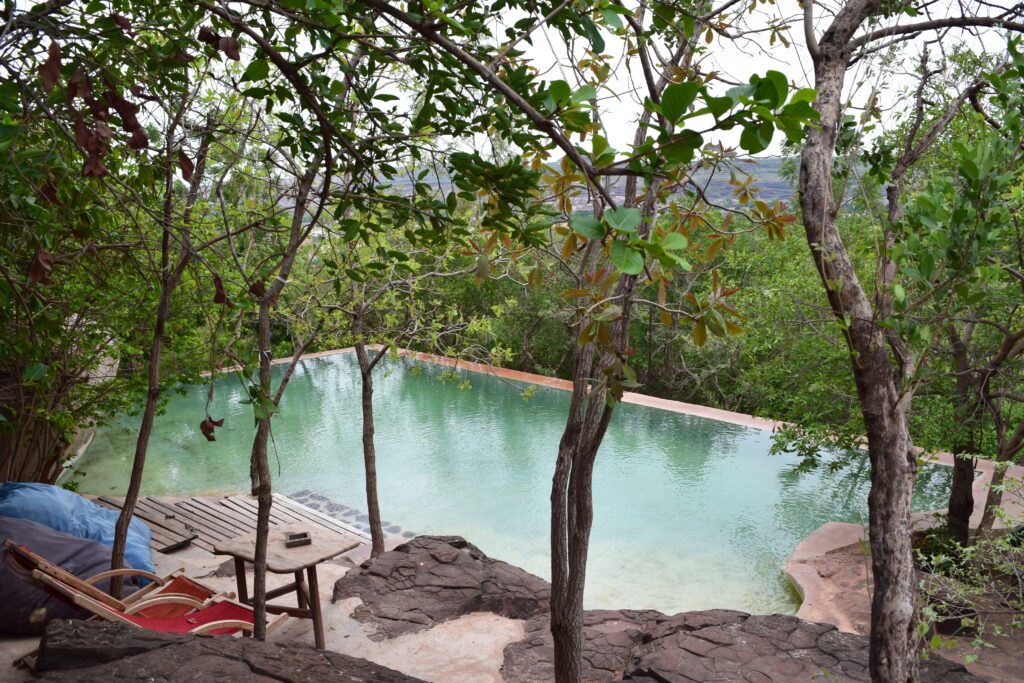
The hospitality industry is shifting. Hotels are no longer judged only by the size of their rooms or the scale of their facilities. What once revolved around buildings, beds, and check-in desks is now being redefined by experiences, wellbeing, and community connections.
For Africa, where hospitality is deeply tied to culture, nature, and community, the hotels of the future must reflect these realities in ways that feel authentic, inclusive, and sustainable. Whether you are planning a boutique hotel in Uganda, a lodge in Anambra, a bed and breakfast in Ghana, or a large resort on the Tanzanian coast, there are five elements you absolutely cannot afford to miss.
Get these right, and you will thrive. Miss any of them, and you risk being left behind.
1. Start with a Rock-Solid Feasibility Study
Before you fall in love with a location or get swept up in design dreams, you need numbers that make sense. A thorough feasibility study isn’t just about proving your concept can work, it is about understanding exactly how it will work.
Your feasibility study should examine market demand, competitive landscape, operational costs, and realistic revenue projections. For Africa specifically, factor in seasonality patterns, infrastructure challenges, and the growing domestic tourism market alongside international visitors.
The question to ask is not how it can work but how it can work exceptionally well.
2. Embrace Intelligent Design That Serves Purpose
Design does not need to be complicated, but it absolutely needs to be fit for purpose. Intelligent design means every element of your property works harder, spaces that can transform, natural ventilation that reduces energy costs, materials that age beautifully in your climate.
In Africa’s diverse environments, intelligent design means respecting your surroundings. Build with local materials where possible, design for natural cooling, and create spaces that blur the lines between indoor and outdoor living. Your guests should feel immersed in the destination and its landscape, not isolated from it.
Remember: Instagram-worthy does not always mean guest-worthy. Functionality and comfort are the 2 elements that matter.
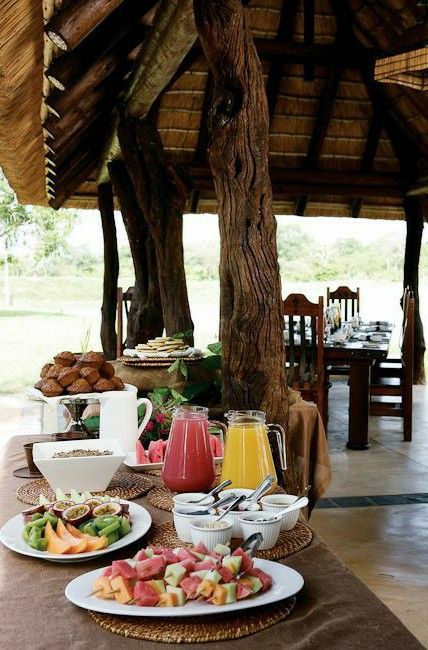
blending indoor and outdoor spaces creates a quiet, thoughtful form of luxury.
Image Credit: Great Plains Mara Toto Tree Camp, Masai Mara / CNTraveler
3. Create an Unmistakable Sense of Place
In a world of generic hotel experiences, your sense of place becomes your competitive advantage. This can be communicated without words, through design and the guest experience, service quality, food offerings, and the stories available about your accommodation facility.
Provide an authentic experience and your facility can become a destination in and of itself.
In practice, the future of hospitality in Africa will be spaces where design, culture, wellness, and sustainability blend seamlessly with the overall experience. For guests, a stay will not just be about rest, but about connection: to the community, the hotel staff, to nature, to heritage, and to a sense of purpose and place.
4. Invest in Guest Experience Training
Exceptional service is the base line, not good service. Service training is an important investment to make and requires staff empowerment to go along with it.
The team needs to understand what they are doing, and why it matters to the guest experience. Facilities that provide tools and authority to solve problems creatively will thrive and please crucially, as an owner or manager, stay on the ground. Your presence sets the standard and ensures consistency.
In African hospitality, warmth and genuine care are our natural advantages. The training provided should enhance these qualities.
5. Don’t Sleep on Your F&B…It Can 10X Your Revenue
Your food and beverage offerings can be a strong revenue multiplier and experience maker. A restaurant that becomes a destination for locals and guests alike can transform your entire business model.
Source ingredients locally, celebrate regional cuisine, and create dining experiences that people travel for. Your restaurant should be a place locals recommend to visitors, not just where guests eat by default. When done exceptionally well, F&B can generate more revenue than rooms.
And please, plan for the guest experience when it comes to noise. Guests come to rest and recharge, not to attend a concert. This includes the music you choose for public spaces, it should be background music.

Image Credit: Pinterest/Africa Open Learning
The Future is Experience-Driven
One of the most significant shifts shaping hospitality is the rise of experience-driven travel. Guests today want more than accommodation; they want immersion. A well-designed hotel becomes a gateway into the rhythms of local life: food, music, design, and storytelling, and can bring the destination to life.
At Red Clay, we see hospitality as more than infrastructure, and we believe that hospitality development strategies must prioritize these shifts. The hotels of the future in Africa will be places where intelligent design, authentic culture, exceptional service, outstanding F&B, and guest-centered experiences blend seamlessly.
A stay will not just be about rest but about connection: to people, to nature, to heritage, and to a sense of purpose.